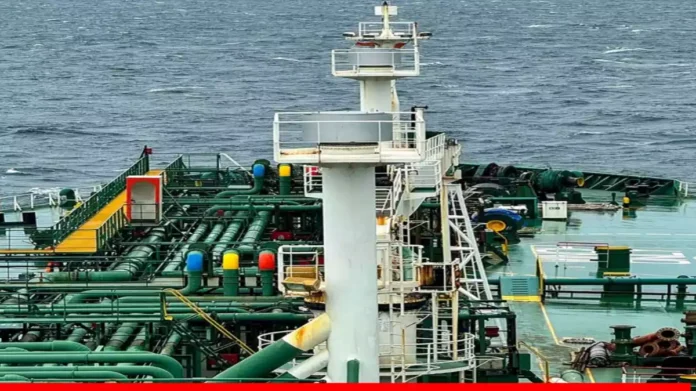

- Two LPG ships carrying over 90,000 MT gas are heading to India.
- Ships safely crossed Strait of Hormuz despite regional tensions.
- Govt pushes self-reliance to reduce dependence on foreign shipping.
New Delhi: The LPG ships India Strait of Hormuz update brings relief to energy markets, as two gas carriers have safely crossed one of the world’s most sensitive maritime routes and are now heading toward Indian ports.
The data suggests that despite geopolitical tensions in West Asia, India’s fuel supply chain remains stable. What the market is missing is that uninterrupted maritime logistics are critical to preventing domestic price shocks and supply shortages.
LPG Ships Safely Cross Strait of Hormuz
According to officials, two LPG vessels have successfully navigated the strategically important Strait of Hormuz:
- Pine Gas carrying 45,000 metric tonnes LPG
- Expected arrival: March 27 at New Mangalore Port
- Jag Vasant carrying 47,600 metric tonnes LPG
- Expected arrival: March 26 at Kandla Port
Additionally, around 20 Indian ships remain west of the Strait, awaiting movement amid regional developments.
Why Strait of Hormuz Matters for India
The Strait of Hormuz is one of the most crucial energy corridors globally, handling a significant portion of oil and gas shipments.
Recent tensions in the region, triggered by conflict involving the United States and Israel, had raised concerns about disruptions.
The data suggests that even temporary blockages in this route can impact global fuel prices and supply chains.
Typically, ships take around 14 hours to cross this stretch, making it a high-risk but unavoidable passage for energy imports.
Where the LPG Cargo Came From
The two vessels sourced LPG from key Gulf exporters:
- Jag Vasant loaded cargo from Kuwait
- Pine Gas picked up LPG from Ruwais, United Arab Emirates
Earlier delays had stalled these ships due to security concerns, but clearance allowed them to proceed.
What the market is missing is that diversification of supply routes and sources remains critical to energy security.
Government Response and Energy Strategy
Prime Minister Narendra Modi emphasized that the government is actively working to shield citizens from global oil shocks.
Speaking in the Rajya Sabha, he highlighted:
- Need for self-reliance in fuel transport
- Reducing dependence on foreign vessels
- Strengthening maritime infrastructure
Currently, about 90% of India’s trade relies on foreign ships, which increases vulnerability during global crises.
Push for ‘Make in India’ Shipping
To address this, the government is promoting domestic shipbuilding under the Make in India initiative.
Key plan:
- Investment of around ₹70,000 crore
- Expansion of Indian shipping fleet
- Strengthening supply chain resilience
The data suggests that building domestic shipping capacity could reduce risks during geopolitical conflicts and ensure uninterrupted energy flow.
Also Read | LPG Aadhaar Authentication eKYC: Govt Clears Confusion, No Repeat Needed
With LPG vessels now en route, immediate supply concerns appear under control. However, ongoing geopolitical tensions mean risks remain.
What the market is missing is that energy security is no longer just about supply, but also about logistics and control over transport routes.
India’s long-term strategy now clearly focuses on:
- Diversified sourcing
- Stronger domestic shipping
- Strategic preparedness
These steps could play a decisive role in insulating the country from future global energy disruptions.
You May Like
Trending Searches Today |
- Odisha to Launch ‘Ama Rasta’ WhatsApp Chatbot for Road Accident Response
- NSE IPO GMP Falls to ₹55 Ahead of Allotment and Listing
- Odisha Heavy Rain Alert: Bay of Bengal System May Become Deep Depression
- Odisha Final Voter List 2026: 3.16 Crore Electors After SIR, What to Do If Your Name Is Missing
- Mahanadi Water Dispute: Odisha, Chhattisgarh Move Toward Settlement
Amazon Online Shopping