



- Parliament session extended by 3 days to push women quota rollout
- 33% reservation targeted for 2029 Lok Sabha elections
- Govt may increase total seats to protect existing representation
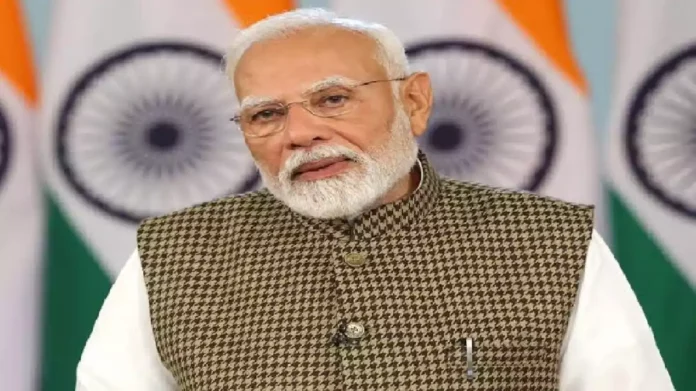
New Delhi: The women reservation bill 2029 implementation has gained momentum after Prime Minister Narendra Modi announced an extension of the ongoing Budget Session to fast-track the rollout of 33 per cent reservation for women in Parliament and state Assemblies. The additional three-day sitting aims to clear key legal and structural hurdles so the quota can be implemented by the 2029 general elections.
The move signals a shift from intent to execution, with the government now focusing on practical mechanisms to make the law operational.
Women Reservation Bill 2029 Implementation: What the Govt Plans
The government’s strategy centres on ensuring that one-third of seats in the Lok Sabha and state Assemblies are reserved for women without disrupting existing political representation.
To achieve this, the Centre is considering increasing the total number of seats rather than reallocating current ones. This approach is aimed at avoiding resistance from sitting MPs and states concerned about losing representation.
The extended Parliament session will focus on enabling legal provisions, including necessary constitutional and statutory changes.
Key Concern: No Loss of Seats for States
A major political concern addressed by the government is the fear among southern states of losing Lok Sabha seats due to population-based delimitation.
States like Kerala, Tamil Nadu, Karnataka, Andhra Pradesh, Telangana, and Goa have raised concerns that their success in population control could reduce their representation.
The government has indicated that it will provide legislative assurance to prevent such outcomes, making the reform more acceptable across regions.
Women Reservation Bill 2029 Implementation May Increase Total Seats
Why Seat Expansion Is Being Considered
Creating additional seats is emerging as a key solution. By expanding the total strength of Parliament and Assemblies, the government can accommodate women’s reservation without cutting into existing constituencies.
This approach could also help accelerate implementation, bypassing delays linked to census and delimitation processes.
Political Dynamics and Opposition Stand
The government has called for consensus, urging Opposition parties to support the move and avoid delays.
However, debates are expected on issues such as sub-quotas for OBC women and the broader structure of representation.
Also Read | Modi Russia Visit 2026 Summit: Moscow Awaits PM for Key Bilateral Talks
These discussions could shape the final framework of implementation.
Women Reservation Bill 2029 Implementation Signals Structural Shift
Why This Move Matters
If implemented, the reform would mark one of the most significant changes in India’s political system, increasing women’s representation at all legislative levels.
It also reflects a broader push toward inclusive governance and gender balance in decision-making.
The next few days in Parliament will be critical. If consensus is achieved, the groundwork for 2029 could be firmly established, turning a long-pending reform into reality.