

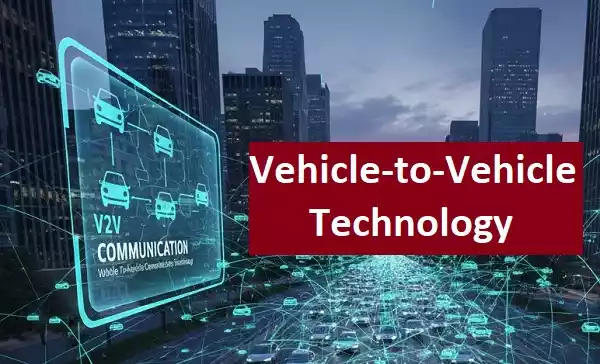


The Government of India is preparing to roll out a major road safety reform with the nationwide introduction of Vehicle-to-Vehicle technology in India by the end of 2026. The advanced system will allow vehicles to communicate directly with each other without relying on mobile networks, sending real-time alerts to drivers to help prevent collisions, especially during fog, low visibility and high-speed traffic situations.
Vehicle-to-Vehicle technology in India: How the system works
The upcoming system will function through a small device, similar to a SIM card, installed inside vehicles. Using direct short-range communication, vehicles will continuously exchange signals and alert drivers when another vehicle comes dangerously close from any direction. This real-time warning mechanism is expected to be highly effective in preventing crashes involving stationary or parked vehicles and fast-moving traffic from behind.
Fog, parked vehicles and pileups to be key focus areas
One of the biggest advantages of the V2V system will be its ability to reduce large-scale accidents during dense fog, a recurring winter problem on Indian highways. Vehicles will receive alerts even when visibility drops to near zero, helping drivers maintain safe distance and avoid chain collisions. The system will also warn about roadside or stationary vehicles, significantly lowering the risk of rear-end crashes.
Vehicle-to-Vehicle technology in India: Government’s safety push
Union Road Transport and Highways Minister Nitin Gadkari confirmed that the initiative was discussed at the annual meeting with state transport ministers. He highlighted that the technology would address critical accident scenarios and complement other safety reforms, including stricter enforcement of the Bus Body Code. Gadkari noted that poor bus design has contributed to multiple fatal accidents in recent years.
In addition, existing buses will be retrofitted with enhanced safety features such as fire extinguishers, driver drowsiness detection systems and emergency hammers for passengers.
Cost, rollout timeline and ADAS integration
According to Road Transport Secretary V Umashankar, the project is estimated to cost around ₹5,000 crore and is currently used in only a few countries worldwide. While consumers will have to pay for the system, pricing details are yet to be finalised. The Transport Ministry plans to notify the technology by the end of 2026, with phased implementation starting in new vehicles before expanding to others.
The V2V system will also work in coordination with Advanced Driver Assistance Systems (ADAS), aligning premium vehicles that currently rely on sensor-based alerts with the new communication-based framework.
Officials believe this technology will mark a major leap in India’s road safety ecosystem, helping save lives, reduce accident-related losses and bring Indian highways closer to global safety standards.
FAQ: Vehicle-to-Vehicle Technology in India
Vehicle-to-Vehicle technology in India is a road safety system that enables vehicles to communicate directly with each other using dedicated devices, without depending on mobile or internet networks. It helps drivers receive real-time alerts to prevent accidents.
The system works through a SIM-like device installed in vehicles. It continuously exchanges signals with nearby vehicles and sends instant warnings when another vehicle comes too close from any direction.
Yes. Vehicle-to-Vehicle technology in India is designed to be extremely effective during dense fog, when visibility is low. It alerts drivers about nearby vehicles even when they are not visible, reducing the risk of pileups.
Yes. The system will warn drivers about roadside or stationary vehicles, helping prevent rear-end collisions caused by fast-moving traffic hitting parked vehicles.
Yes. The V2V system works from all sides of the vehicle, ensuring full 360-degree communication and alerts from the front, rear and sides.
Yes. Drivers will receive alerts related to safe vehicle distance and proximity warnings when another vehicle comes dangerously close.
The government plans to notify the technology by the end of 2026. Phased implementation will begin soon after, starting with new vehicles.
Yes. The system will work alongside Advanced Driver Assistance Systems (ADAS), enhancing safety by combining sensor-based alerts with vehicle-to-vehicle communication.
You May Like
Trending Searches Today |
- Supreme Court SIR Electoral Rolls Case Set for Key Hearing Ahead of Bengal Polls
- Amarnath Yatra 2026 Dates Announced, Registration Starts April 15
- Cyclone Vaianu New Zealand Puts Auckland on High Alert for Flooding
- April 12, 2026 Daily Horoscope Predicts Emotional Awareness and Financial Caution
- Odisha Heatwave Temperature Rise Pushes Mercury Towards 40°C Across State


