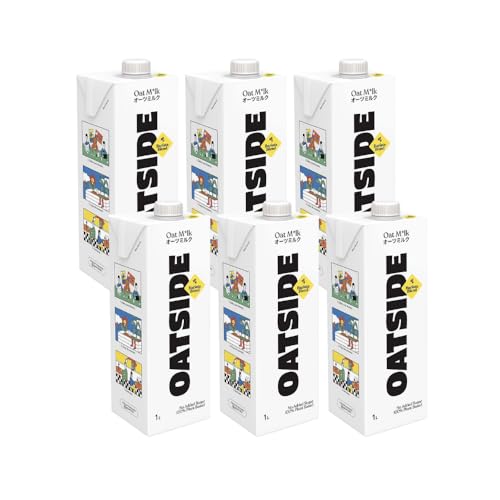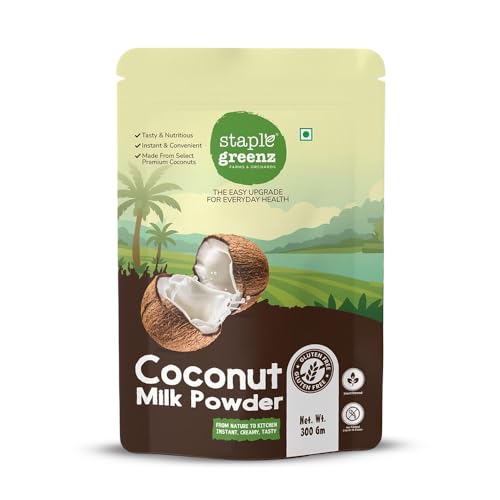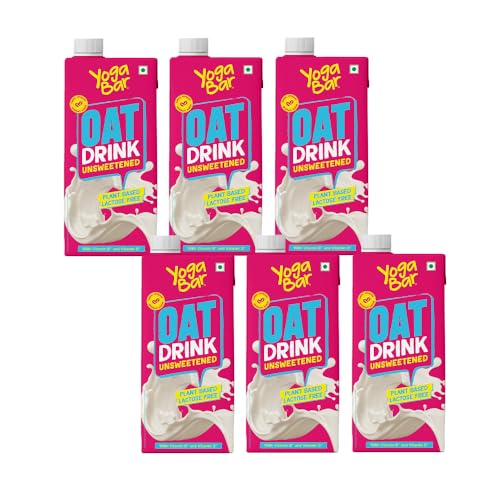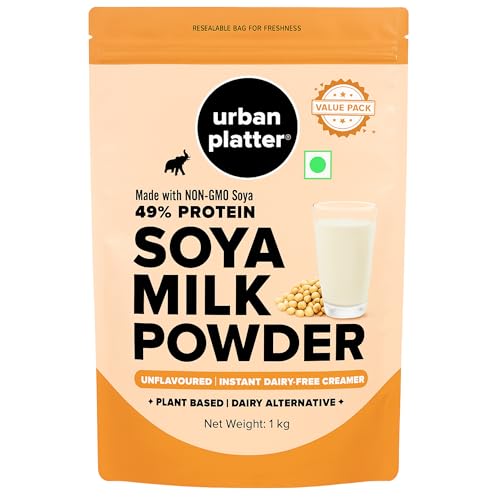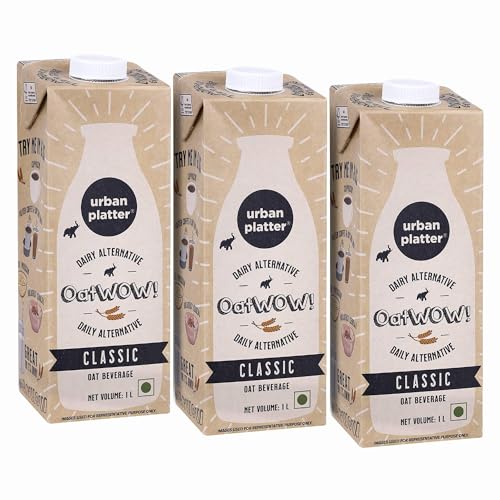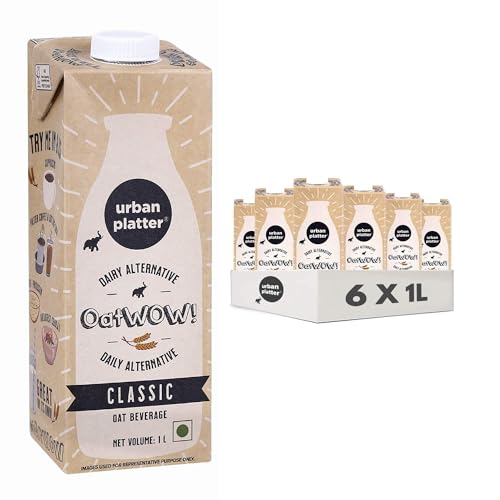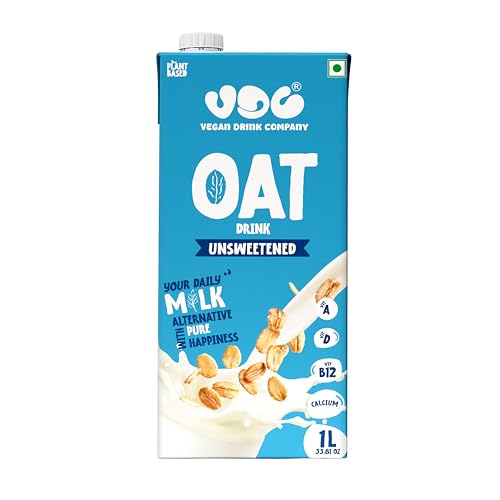


Walk into any grocery store or coffee shop in the United States, and one thing is clear plant based milk is everywhere. From almond and oat milk to soy and pea-based options, Americans are rapidly rethinking their relationship with dairy.
What started as a niche health choice has now become a mainstream lifestyle shift, driven by health awareness, sustainability concerns, and changing consumer preferences in 2025.
Plant-based milk alternatives are no longer a niche health trend—they are becoming a mainstream staple in American households. From almond milk and oat milk to soy, cashew, and coconut milk, demand for dairy-free beverages is surging across the United States as consumers prioritize health, sustainability, and dietary flexibility.
According to recent market insights, the U.S. plant-based milk market is experiencing double-digit growth, driven by lactose intolerance awareness, vegan lifestyles, and rising interest in clean-label, cholesterol-free foods.
Why Americans Are Switching to Plant-Based Milk
One of the main drivers behind the popularity of non-dairy milk alternatives is health consciousness. Many consumers are actively reducing dairy intake due to digestive issues, calorie concerns, or heart health goals.
- Plant-based milk options typically offer:
- Lower saturated fat than cow’s milk
- Zero cholesterol
- Lactose-free nutrition
- Fortified vitamins such as calcium, vitamin D, and B12
Almond milk remains one of the most popular choices due to its low-calorie content, while oat milk is rapidly gaining ground thanks to its creamy texture and coffee-friendly performance.
Oat Milk Leads Growth in U.S. Coffee Culture
The rise of specialty coffee and café culture in major U.S. cities has significantly boosted oat milk sales. Baristas and consumers alike prefer oat milk for lattes and cappuccinos because it froths well and complements espresso flavor without overpowering it.
Major coffee chains across the United States have expanded their plant-based milk options, making dairy-free choices accessible to millions of daily customers. This shift has turned oat milk into one of the fastest-growing segments in the alternative milk industry.
Sustainability and Environmental Impact Matter
Environmental concerns are also influencing American buying behavior. Compared to traditional dairy farming, plant-based milk production generally requires:
- Less water
- Lower greenhouse gas emissions
- Reduced land use
Eco-conscious consumers increasingly view vegan milk alternatives as a practical way to reduce their carbon footprint without sacrificing taste or nutrition.
High Demand Fuels Innovation and Investment
The growing market has attracted major food brands and startups alike, leading to innovation in flavor, texture, and nutritional value. New formulations now include:
- High-protein plant-based milk
- Unsweetened and organic options
- Keto-friendly and low-carb varieties
Retailers across the U.S. are expanding shelf space for dairy-free milk brands, while online grocery platforms report higher conversion rates for plant-based beverages than traditional milk in some regions.
Plant-Based Milk Prices and Consumer Willingness to Pay
Despite often being priced higher than regular milk, many U.S. consumers are willing to pay a premium for perceived health benefits and ethical value. This willingness has made plant-based milk a high-CPC keyword category, especially for advertisers in health insurance, nutrition programs, meal delivery services, and sustainable food brands.
Keywords such as best plant-based milk, almond milk benefits, oat milk vs dairy, and lactose-free milk alternatives consistently attract strong advertiser competition in Google search results.
The Future of Milk in America
Industry analysts predict that plant-based milk alternatives will continue to capture a larger share of the U.S. beverage market over the next decade. As taste improves, prices stabilize, and awareness grows, dairy-free milk is expected to become a default option rather than a substitute.
For American consumers, plant-based milk is no longer just an alternative—it is shaping the future of how the nation drinks, cooks, and thinks about nutrition
What Are Plant-Based Milk Alternatives?
Plant-based milk alternatives are beverages made from nuts, grains, seeds, or legumes instead of animal dairy. Popular options in the United States include:
- Almond milk
- Oat milk
- Soy milk
- Coconut milk
- Cashew milk
- Pea milk
These dairy-free milk alternatives are often fortified with calcium, vitamin D, and B12, making them nutritionally comparable to cow’s milk.
Also Read | 5 Ayurvedic Ways to Lose Weight Naturally
Why Americans Are Switching to Dairy-Free Milk
- Lactose Intolerance & Digestive Health
A large percentage of U.S. adults experience lactose intolerance. Switching to lactose-free milk alternatives helps reduce bloating, cramps, and discomfort.
Featured snippet opportunity:
Plant-based milk is ideal for people who cannot digest lactose because it contains no dairy sugars.
- Health Benefits of Plant-Based Milk
- Most plant-based milk options offer:
- Zero cholesterol
- Lower saturated fat
- Added calcium & vitamin D
- Fewer calories (especially almond milk)
Searches for “healthiest plant-based milk” and “low calorie milk alternatives” continue to rise in the U.S., making this a strong health-focused topic.
Almond Milk vs Oat Milk: Which Is Better?
One of the highest-ranking and most profitable comparisons in this niche.
Almond Milk
- Low calorie
- Mild taste
- Good for weight loss
- Less protein
Oat Milk
- Creamy texture
- Great for coffee
- Naturally sweet
- Higher carbs
Best Ways to Use Plant-Based Milk
Plant-based milk alternatives are commonly used for:
- Coffee & tea
- Smoothies & protein shakes
- Breakfast cereal
- Baking & cooking
- Dairy-free desserts
As taste and texture improve, many Americans now prefer these options over dairy milk.
Disclaimer: This content is provided for general information only and is not a substitute for professional medical advice. Always consult your doctor or a qualified specialist regarding health concerns. Mtimes News is not responsible for any actions taken based on this information.
You May Like
Amazon Online Shopping