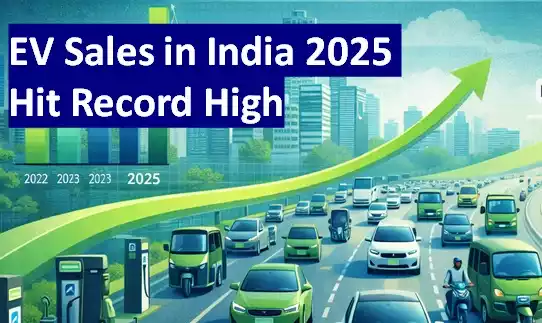

- EV sales in India jump 77% YoY to over 1.76 lakh units in 2025.
- Industry seeks extended subsidies, cheaper financing, and faster charging rollout.
- Government focus shifts to electrifying public transport alongside private adoption.
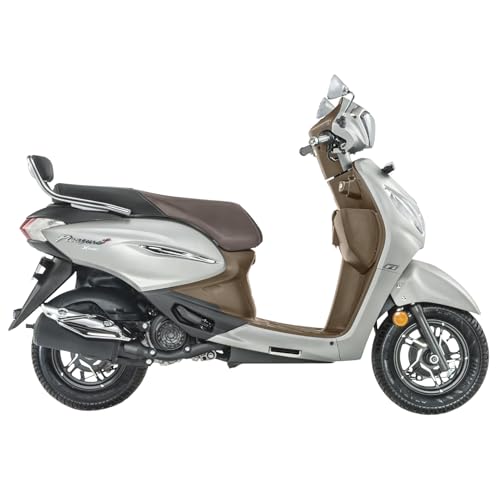
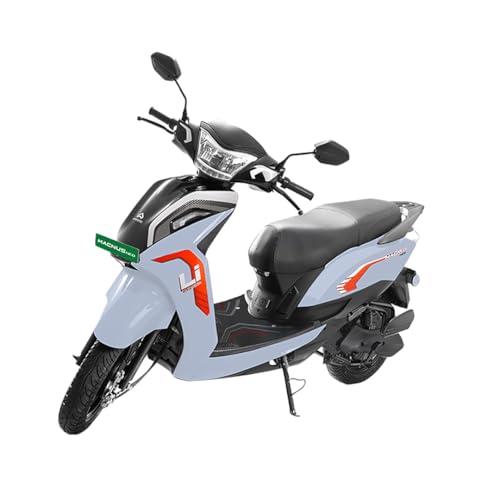
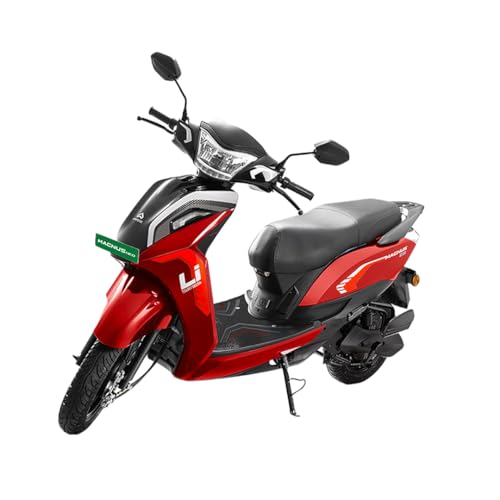
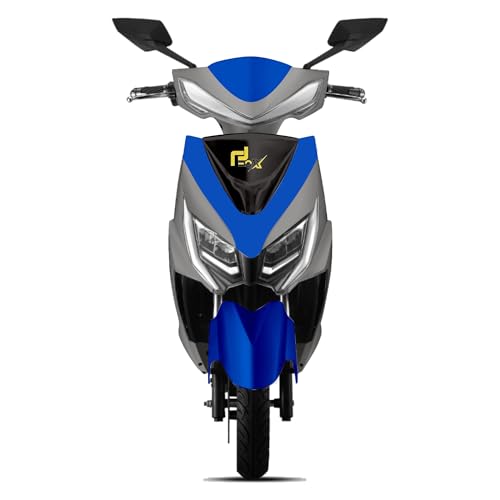
EV sales in India 2025 touched an all-time high of over 1.76 lakh units, marking a 77% year-on-year surge and signaling rapid consumer acceptance of green mobility. With this momentum, manufacturers and sector experts are now looking to the Union Budget for fresh incentives to sustain and accelerate adoption.
Affordability, supply chain stability, and charging infrastructure remain central to industry demands as buyers continue to weigh costs and “range anxiety.”
Industry Seeks Policy Support to Lower Costs
Rachna Ahuja, Director at INGAR Electronics, said incentives for manufacturers, lower-interest financing, tax rebates, and supportive land policies can reduce production costs and encourage fresh investment.
Global spikes in copper and raw material prices are pushing up manufacturing expenses, making subsidies crucial to keep EVs affordable for middle-class buyers.
Avijit Bhatt, a green finance specialist, urged the extension of PM E-Drive subsidies to fleet operators to speed up the transition to green mobility.
Charging Infrastructure Remains a Bottleneck
Despite rising sales, lack of widespread charging infrastructure continues to limit EV use largely to major urban centers. Industry stakeholders say expanding fast-charging networks is critical to addressing range anxiety and enabling inter-city travel.
Government Schemes Drive Momentum
Flagship initiatives such as:
- FAME-II (Faster Adoption and Manufacturing of Electric Vehicles)
- PM E-Drive
- Production-Linked Incentive (PLI) Scheme
- PM e-Bus Sewa
have helped boost localisation, attract investment, and increase adoption across segments. Industry expects these to be extended and strengthened.
Public Transport Electrification Gains Priority
Officials indicate that while private EV targets remain, the Centre is now prioritising public transport electrification for broader impact.
In Delhi, electric buses inducted under the FAME scheme and smaller DEVi buses are improving last-mile metro connectivity.
EV Penetration Targets for 2030
The government continues to pursue ambitious electrification goals by 2030:
- 30% of private cars
- 80% of two- and three-wheelers
- 70% of commercial vehicles
Experts note that while EV penetration is currently highest in the three-wheeler segment, improved financing, discounts, and incentives could accelerate adoption across entry-level cars, SUVs, and even luxury vehicles.
As EV sales scale new highs, the upcoming Budget is seen as a key lever to convert momentum into mass adoption.
You May Like
Trending Searches Today |
- April 7, 2026 Daily Horoscope: Emotional Shifts and Growth Opportunities
- April 6, 2026 Daily Horoscope: Growth, Caution, and Emotional Clarity
- National Maritime Day India: PM Modi Highlights Sector’s Role in Growth
- Mukhyamantri Annapurna Yojana Odisha: Free Rice 5kg for All Beneficiary
- BJP West Bengal CM Face: Party Bets on Modi Over Leadership Pick