
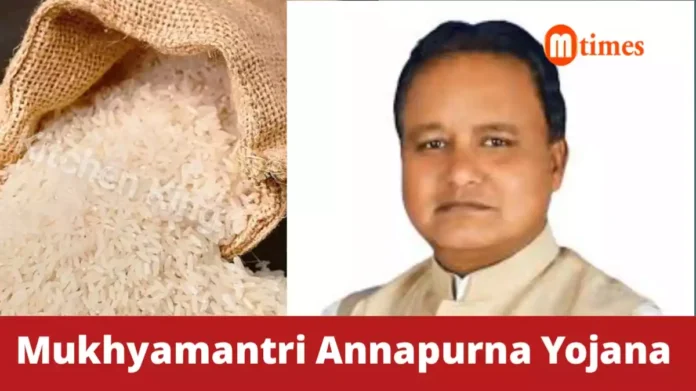

- Odisha Cabinet approves Mukhyamantri Annapurna Yojana for 2026-27
- Beneficiaries will get 5 kg extra rice per person every month
- Over 3.28 crore people set to benefit across the state
Bhubaneswar: The Mukhyamantri Annapurna Yojana Odisha marks a major expansion of the state’s food security system, with the government committing to provide additional free rice to millions of households. The scheme, approved for the 2026-27 financial year, directly targets beneficiaries already covered under existing food programs, amplifying support amid rising living costs.
This move signals Odisha’s aggressive push to strengthen welfare delivery and ensure no household faces food shortages.
Mukhyamantri Annapurna Yojana Odisha: Who Benefits and How
Under the new scheme, every eligible individual will receive an additional 5 kg of rice per month free of cost. This allocation comes on top of the existing entitlement under the National Food Security Act (NFSA) and the State Food Security Scheme (SFSS).
The scale of the rollout is massive. More than 3.28 crore people across nearly two crore families will now be covered. This includes both central and state scheme beneficiaries, effectively merging support systems to widen the safety net.
By expanding food grain distribution through the Targeted Public Distribution System, the government aims to improve both accessibility and consistency in supply.
Why Odisha Is Expanding Food Security Now
The timing of the scheme is crucial. With inflation affecting essential commodities and household budgets, state governments are under pressure to enhance welfare measures.
Odisha’s decision reflects a proactive approach to prevent food insecurity rather than react to crises. Ensuring stable access to staple food like rice reduces financial stress on low-income families and improves nutritional security.
It also strengthens rural resilience, where dependence on subsidized food grains remains high.
Financial Impact and Scale of Mukhyamantri Annapurna Yojana Odisha
₹8,813 Crore Annual Commitment Explained
The financial commitment behind the scheme is substantial. The state plans to distribute around 1.64 lakh metric tonnes of rice every month.
This translates to an estimated monthly expenditure of ₹734 crore and an annual outlay of ₹8,813 crore. Such a large investment underscores the government’s priority on welfare-driven governance.
While the cost is high, the long-term impact could include reduced poverty levels, improved food access, and stronger social stability.
What This Means for Odisha’s Welfare Model
The Mukhyamantri Annapurna Yojana positions Odisha among states taking bold steps in food security expansion. By layering additional benefits over existing schemes, the government is creating a more robust and inclusive distribution system.
The challenge ahead will be execution. Efficient delivery, leak-proof systems, and consistent supply chains will determine the scheme’s success.
If implemented effectively, this initiative could become a model for other states looking to scale up food security in a targeted and impactful way.
You May Like
Trending Searches Today |
- Odisha Plans New ABADHA-Like Scheme for Puri Development
- IMD Thunderstorm Alert: 25 Odisha Districts on Watch
- BJD Says It Maintains Distance From BJP and Congress, Not Part of INDIA Bloc
- Puri Records 36.6°C as Heat and Humidity Persist, Coastal Odisha To Face Intense Heat
- West Bengal to Recruit 14,454 Government Post, To Provide Rs 50,000 For Unmarried Women
Amazon Online Shopping