
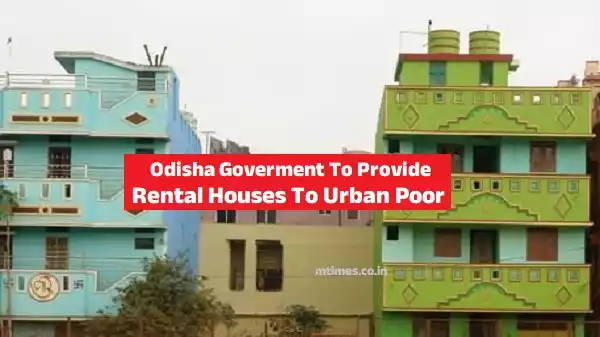

- Odisha will convert unused government houses into rental homes for the urban poor.
- The plan operates under PMAY Urban 2.0 with regulated rent increases.
- This policy could reshape urban migration and labor stability in cities.
Bhubaneswar: Odisha has announced a decisive move to tackle one of urban India’s most persistent problems, access to affordable rental housing. Under the Odisha affordable rental housing scheme, vacant government houses in cities will be repurposed and rented out to low income families, laborers, and working women.
The data suggests Odisha is responding to a growing gap between urban job creation and livable housing supply. By bringing idle public assets into use, the state is attempting to solve a structural problem without large new construction costs.
Why the Odisha Affordable Rental Housing Scheme Matters Now
Urban Odisha has seen steady migration from rural areas driven by construction, service jobs, and informal work. What the market is missing is rental housing that matches irregular incomes and short term employment cycles.
Most housing schemes focus on ownership, which excludes migrant workers and daily wage earners. This policy shifts the lens toward flexibility. Renting allows families to live closer to jobs without long term financial commitments, reducing slum expansion and unsafe living conditions.
How Vacant Government Houses Will Be Used
The Housing and Urban Development Department has instructed multiple state departments to identify unused government residences. These homes will be reassigned as rental units rather than remaining locked and unproductive.
Rent levels will be fixed by local administrations, keeping pricing aligned with city level income realities. The planned 8 percent rent revision every two years, capped at 20 percent over five years, signals an attempt to balance affordability with maintenance costs.
PMAY Urban 2.0 and the Policy Shift Toward Rentals
This initiative falls under Pradhan Mantri Awas Yojana Urban 2.0, but it marks a philosophical shift. Instead of treating housing purely as a welfare handout, Odisha is treating it as urban infrastructure.
Additional Chief Secretary Usha Padhee’s statement highlights safety and dignity, but the deeper intent is economic. Stable housing improves worker productivity, school attendance for children, and public health outcomes.
Second Order Effects on Cities and Labor Markets
Over time, this scheme could reduce informal settlements near industrial zones. Employers may see lower labor turnover as workers gain predictable housing.
There is also a fiscal angle. States across India are under pressure to monetize idle assets. If Odisha’s model succeeds, similar rental housing conversions could follow nationwide, reshaping how urban housing policy is designed.
Odisha affordable rental housing scheme is not just a local announcement. It is an early signal that governments are finally addressing the rental gap that private markets have consistently failed to solve.
You May Like
Trending Searches Today |
- Iran Denies Missile Attacks After US Ceasefire
- Odisha SHG Women Self Defence Training Launched for 5,000 Participants
- 10 April 2026 Daily Horoscope: Clarity, Decisions, and New Opportunities
- 9 April 2026 Daily Horoscope Predictions
- Odisha Govt Plan to Strict Law For Offensive Language On Social Media