
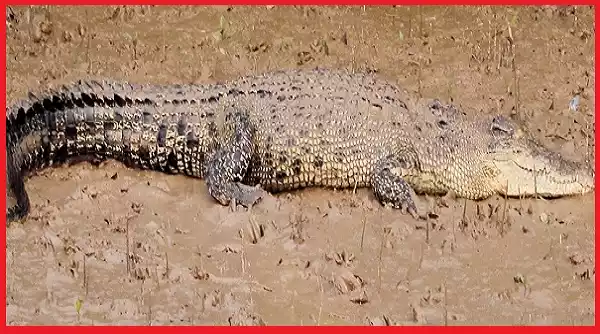


Bhubaneswar: The Simlipal crocodile census has revealed encouraging signs for wildlife conservation, with the number of crocodiles in and around Simlipal increasing to 84, up by three compared to last year. The latest figures were released by the Similipal Tiger Conservation Project Authority following a comprehensive three-day census conducted earlier this month.
The census highlights the growing presence of crocodiles in the region’s river systems, with the West Deo River emerging as the primary habitat.
Simlipal Crocodile Census Conducted Across 16 Forest Ranges
The crocodile census was carried out over three days from January 6 to January 8, covering 16 forest ranges across North and South Simlipal. To ensure accurate counting, the exercise involved the deployment of more than 100 forest personnel, organised into 30 dedicated teams.
The teams included forest rangers, foresters and trained staff who conducted systematic surveys across river stretches and water bodies within each range.
West Deo River Records Highest Crocodile Population
According to the census report, the West Deo River recorded the highest number of crocodiles, with 60 individuals spotted, making it the most significant crocodile habitat within the Simlipal landscape.
Also Read | Subhadra Yojana Next Installment Date 2026: Credited to Women Beneficiaries by January 18
Most of the crocodiles found in the region belong to the Gomuha or Magar species, which are commonly sighted in Simlipal and its surrounding forest areas.
Distribution Across South, North and Ramteerth Forests
The data further shows that 78 crocodiles were recorded in the South Simlipal Forest Division, while one crocodile was spotted in the North Simlipal Forest. An additional five crocodiles were found in the Ramteerth area, indicating a wider but uneven distribution across the reserve.
Forest officials said the rise in numbers reflects improved habitat conditions, effective protection measures and sustained conservation efforts under the Simlipal Tiger Reserve management.
The Simlipal crocodile census findings are being seen as a positive indicator for aquatic biodiversity in Odisha and underscore the importance of continued monitoring and habitat protection in the region.
You May Like
Trending Searches Today |
- RCB vs SRH IPL 2026 Preview Batting Fireworks Likely in Chinnaswamy Opener
- Odisha Rain Alert IMD Thunderstorm Warning: 7 Days of Lightning, Gusty Winds Ahead
- March 28 2026 Daily Horoscope: Focus, Money, Love Signals
- Petrol Diesel Excise Duty Cut India: Govt Slashes Taxes to Tackle Oil Crisis
- Orissa High Court Penalty Delay Order: Officer Fined ₹1 Lakh for Ignoring Court Timeline
Amazon Online Shopping