
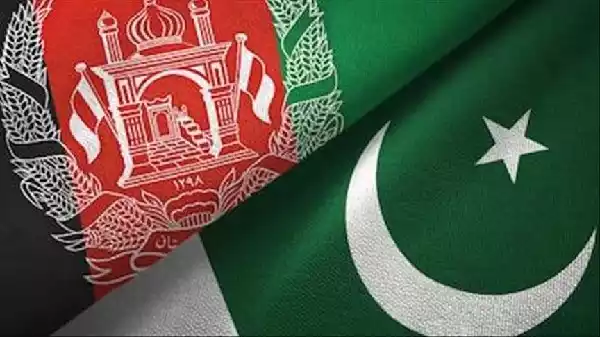

A high-level Pakistan security team has arrived in Doha for peace talks with the Afghan Taliban to ease the escalating cross-border tensions that have raised alarm in the region. The delegation, led by Defence Minister Khawaja Asif and Gen. Asim Malik, the Director General of Pakistan’s Inter-Services Intelligence (ISI), aims to seek a diplomatic breakthrough following recent deadly clashes along the Pakistan-Afghanistan border.
An Afghan delegation headed by Defence Minister Mullah Mohammad Yaqub Mujahid and Abdul Haq Wasiq, chief of the General Directorate of Intelligence (GDI), is expected to reach Doha tomorrow. The talks are being facilitated by Qatar and Turkey and represent the first formal dialogue between the two sides since last week’s border violence.
Pakistan Security Team in Doha for Afghan Taliban Talks
According to Afghan media, the ongoing Pakistan security team in Doha for Afghan Taliban talks coincides with an extension of the 48-hour ceasefire at Pakistan’s request. The ceasefire will remain in effect until the conclusion of the Doha negotiations.
The discussions are focused on extending the temporary truce into a long-term understanding that can prevent further border hostilities. Both sides are expected to address political and security issues that have strained bilateral relations since the Taliban’s return to power in 2021.
Taliban’s Response and Ceasefire Status
Taliban spokesperson Zabiullah Mujahid stated on X that the group “reserves the right to respond” to Pakistan’s actions but has paused operations “out of respect” for the ongoing peace efforts in Doha. He emphasized that while Kabul remains committed to peaceful engagement, any further aggression “will be the result of Pakistan’s provocations.”
The ceasefire extension has provided a temporary window for dialogue, though observers remain cautious about its durability given the volatility of past agreements between the two sides.
Pakistan’s Stand on Peace and Regional Security
Shafqat Ali Khan, spokesperson for Pakistan’s Ministry of Foreign Affairs, reiterated Islamabad’s commitment to fostering a “peaceful, stable, and prosperous Afghanistan.” He stressed that Pakistan expects the Taliban to “act responsibly, honor their commitments, and contribute to the shared goal of eliminating terrorism from their soil.”
Regional analysts say the Doha talks are crucial, as they come amid growing international concerns over militant movements along the border, cross-border attacks, and the humanitarian fallout affecting both nations.
Regional Implications of the Doha Talks
The outcome of the Doha meeting is being closely watched by neighboring countries and international observers, as the stability of the Pakistan-Afghanistan border has far-reaching implications for South Asia’s security and trade routes. If successful, the talks could set the stage for renewed cooperation and confidence-building between Islamabad and Kabul, easing tensions that have persisted since the fall of the previous Afghan government.
Get Latest News Live on MTIMES along with Breaking News and Top Headlines, Political News and around The World.
You May Like
Trending Searches Today |
Amit Shah Pays Tribute on Hyderabad Liberation Day: Martyrs’ Courage Still Inspires India
ITR Filing Due Date Extension 2025: CBDT Extends Deadline by One More Day, How to File ITR Online
Seva Parv Special: How India Emerged as a Global Climate Champion