

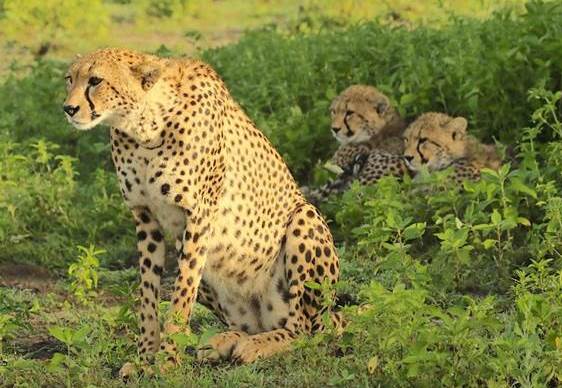


New Delhi: India plans to restore the only large carnivore, the Cheetah, that has become extinct in independent India. This endeavor will achieve the goals and objectives.
The goals as establish viable cheetah metapopulation in India that allows the cheetah to perform its functional role as a top predator and provide space for the expansion of the cheetah within its historical range thereby contributing to its global conservation efforts.
Objectives of the project are:
- To establish breeding cheetah populations in safe habitats across its historical range and manage them as a metapopulation.
- To use the cheetah as a charismatic flagship and umbrella species to garner resources for restoring open forest and savanna systems that will benefit biodiversity and ecosystem services from these ecosystems.
- To enhance India’s capacity to sequester carbon through ecosystem restoration activities in cheetah conservation areas and thereby contribute towards the global climate change mitigation goals.
- To use the ensuing opportunity for eco-development and eco-tourism to enhance local community livelihoods.
- To manage any conflict by cheetah or other wildlife with local communities within cheetah conservation areas expediently through compensation, awareness, and management actions to win community support.
The introduction of the cheetah is not only a species recovery program but an effort to restore ecosystems with a lost element that has played a significant role in their evolutionary history, allow ecosystems to provide services to their full potential, and use the cheetah as an umbrella species for conserving the biodiversity of grasslands, savanna and open forest systems.
The word Cheetah is of Sanskrit origin and the cheetah finds mention in the ancient texts such as the Vedas and Puranas; it is indeed ironical that the species is currently extinct in India. The original threats that resulted in the extinction of the cheetah have been abated and India now has the technical and financial ability to bring back its lost Natural Heritage for ethical, ecological, and economic considerations.
Successful conservation introductions are a blend of best science, technology, sociological aspects and commitment of financial resources. These aspects are integrated in this Action Plan based on the modern scientific approach recommended by the latest International Union for Conservation of Nature (IUCN) guidelines for reintroduction and other conservation translocations, provides the framework for bringing back the charismatic cheetah to India.
Read Also | Covid-19: 16,047 new cases reported in the last 24 hours
[amazon_auto_links id=”635″]