
- Government cuts excise duty by ₹10 per litre on petrol and diesel
- India assures no fuel shortage with over 60 days of reserves
- Move aims to shield consumers from global oil price shock
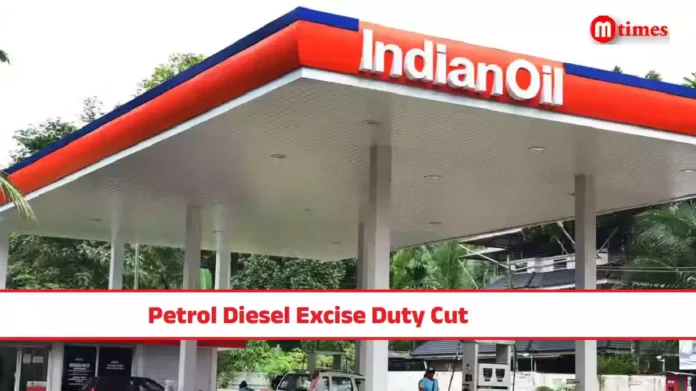
New Delhi: The petrol diesel excise duty cut India decision marks a major step by the Centre to protect consumers from rising global fuel prices. The government on Friday reduced excise duty by ₹10 per litre on both petrol and diesel, bringing the duty down sharply as geopolitical tensions threaten energy markets.
This move comes at a time when fears of supply disruption have grown due to the ongoing conflict in the Middle East, which has pushed crude oil prices higher and triggered volatility across global markets.
Petrol Diesel Excise Duty Cut India: What Changed
Under the revised structure, excise duty on petrol has been reduced to ₹3 per litre, while diesel now carries zero excise duty. The government has also eased duties on fuel exports and supplies to international flights.
In addition, customs duty relief has been granted on imported aviation turbine fuel by withdrawing an earlier notification. This is expected to support the aviation sector, which has been facing cost pressures due to expensive fuel.
The decision reflects a broader strategy to ease cost burdens across sectors dependent on petroleum products.
Why the Government Acted Now
The timing of the tax cut is linked to the global energy crisis triggered by escalating tensions involving the US, Israel, and Iran. Concerns over a potential blockade of the Strait of Hormuz have raised alarms about supply disruptions.
India, which imports a large share of its crude oil, is particularly sensitive to such developments. Rising global prices have already increased pressure on oil marketing companies, which are reportedly facing heavy losses on fuel sales.
By cutting excise duty, the government aims to reduce the burden on both consumers and fuel retailers.
Oil Companies Under Pressure Despite Relief
Oil marketing companies are currently estimated to be losing nearly ₹48.8 per litre due to elevated crude prices. The duty cut is expected to partially offset these losses, though financial stress may continue if global prices remain high.
At the same time, global oil markets showed slight relief, with Brent crude falling to around $105 per barrel and US WTI also declining. However, volatility remains a key risk.
India Assures Fuel Supply Stability
The government has strongly dismissed concerns about fuel shortages. Officials stated that petrol, diesel, and LPG supplies are stable across the country, with no disruption in retail availability.
Also Read | LPG Ships India Strait of Hormuz: Supply Boost Amid Rising Tensions
India currently holds reserve capacity for about 74 days, with active stock cover of around 60 days. Authorities also confirmed that crude procurement for the next two months has already been secured.
No Shortage, No Panic Buying Needed
The Petroleum Ministry has warned against misinformation that could trigger unnecessary panic. It emphasized that all fuel outlets are well stocked and supply chains are functioning normally.
The government’s message is clear. Despite global uncertainty, India’s energy security remains intact, and there is no need for panic buying or concern over availability.
You May Like
Trending Searches Today |
- Petrol Diesel Excise Duty Cut India: Govt Slashes Taxes to Tackle Oil Crisis
- Orissa High Court Penalty Delay Order: Officer Fined ₹1 Lakh for Ignoring Court Timeline
- Odisha Artificial Shortage Crackdown: Govt Moves to Secure Fuel and LPG Supply
- March 27 2026 Daily Horoscope: Money, Love, Career Signals For Aries To Pisces
- Odisha New Excise Policy 2026: No New Liquor Shops, New Cess Introduced From April 1
Amazon Online Shopping