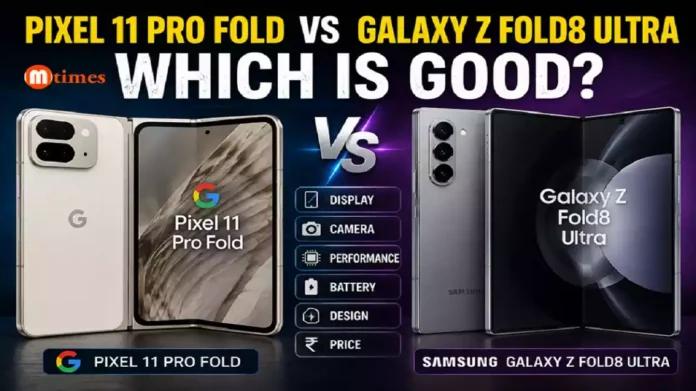

- Pixel 11 Pro Fold starts at ₹1,86,999, while the Galaxy Z Fold8 Ultra starts at ₹1,99,999.
- Samsung is thinner and lighter, while Google’s foldable offers a higher IP68 protection rating.
- Pixel emphasises Gemini and AI features, while Samsung focuses on flagship performance and camera hardware.
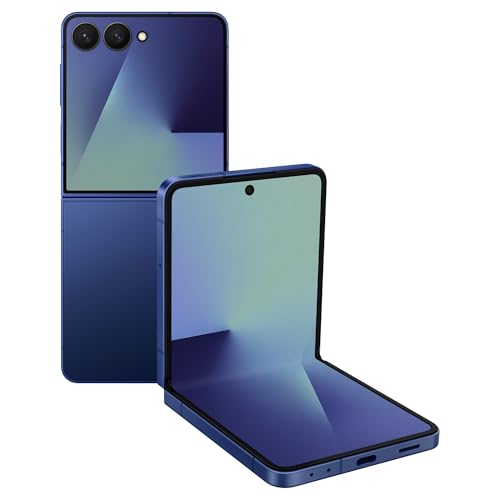
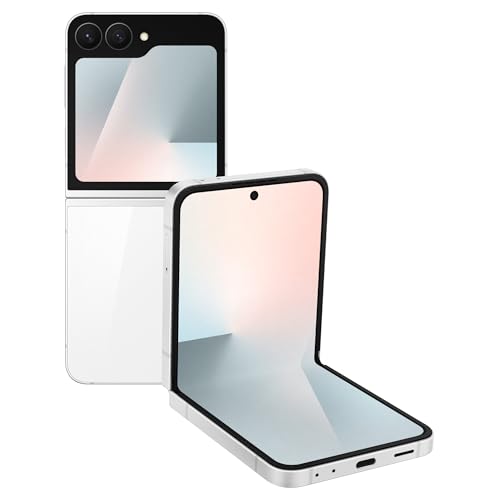
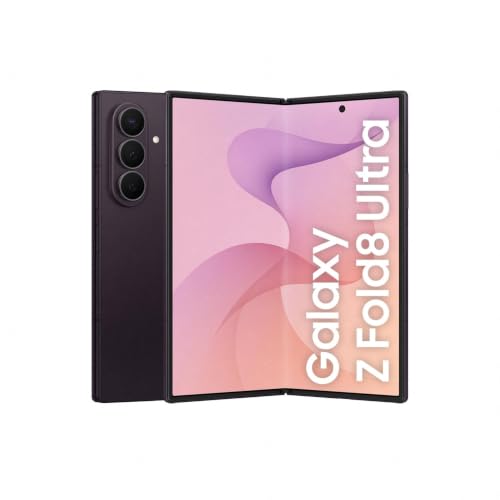
Google Pixel 11 Pro Fold vs Samsung Galaxy Z Fold8 Ultra: Google Pixel 11 Pro Fold vs Samsung Galaxy Z Fold8 Ultra comparison comes down to two different visions of a premium foldable phone. Both target buyers willing to spend close to ₹2 lakh, but Google is leaning heavily into artificial intelligence while Samsung is pushing design, hardware and traditional flagship performance.
The price gap is significant at the entry level. Google’s Pixel offers more RAM and storage for less money, while Samsung provides more configurations and a higher-end 1TB option.
For buyers at this price point, the decision is less about finding a universally better phone and more about deciding which strengths matter most.
Pixel 11 Pro Fold vs Galaxy Z Fold8 Ultra Price and Design
Google’s Pixel 11 Pro Fold is available in India in a single configuration with 16GB RAM and 512GB storage for ₹1,86,999.
Samsung’s Galaxy Z Fold8 Ultra starts at ₹1,99,999 for 12GB RAM and 256GB storage. The 12GB + 512GB model costs ₹2,19,999, while the premium 16GB + 1TB version reaches ₹2,59,999.
That makes the Pixel ₹13,000 cheaper than Samsung’s entry-level model while offering twice the storage and more RAM. Against Samsung’s 512GB variant, the Pixel has a ₹33,000 price advantage.
Pixel 11 Pro Fold vs Galaxy Z Fold8 Ultra: Design
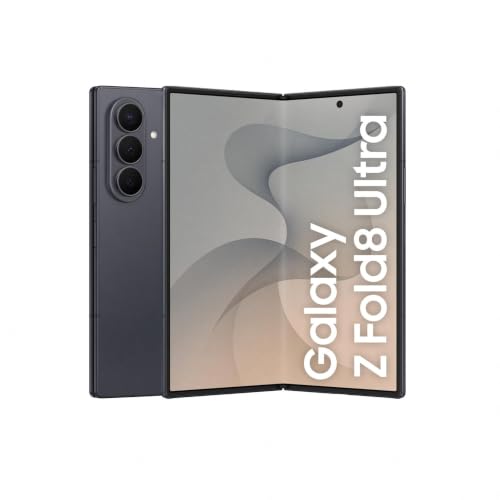
Samsung has the clear advantage in physical dimensions. The Galaxy Z Fold8 Ultra measures 8.9mm when folded and 4.1mm when open, while weighing 215 grams.
The Pixel 11 Pro Fold measures 10.1mm when folded and weighs 239 grams. Google has still made improvements over its previous generation, but Samsung’s slimmer and lighter construction could make a noticeable difference during everyday use.
Samsung uses a Flex Titanium structure and Armour FlexHinge, designed to improve durability and reduce the visibility of the inner display crease.
Google counters with flat sides, rounded corners and a glass-fibre rear panel. Its IP68 rating is also stronger than Samsung’s IP48 rating, giving the Pixel an advantage in water and dust protection.
Pixel 11 Pro Fold vs Galaxy Z Fold8 Ultra Display and Performance
Both foldables feature an 8-inch inner display and a 6.5-inch outer display, but the technologies and priorities differ.
The Pixel uses an LTPO OLED panel capable of reaching 3,600 nits of peak brightness. Samsung’s Dynamic AMOLED 2X display has sharper resolution but reaches up to 3,000 nits.
For users who frequently read documents or work with detailed text, Samsung’s sharper panel could be more useful. Google’s higher peak brightness, meanwhile, could offer an advantage when the phone is being used outdoors under strong sunlight.
Pixel 11 Pro Fold vs Galaxy Z Fold8 Ultra: Performance and AI
Google’s Tensor G6 chipset and 16GB RAM are designed around an AI-first experience. Gemini-powered features such as Gemini Spark and Screen-Aware Writing Assistance are aimed at making everyday tasks more contextual and automated.
Samsung uses the Snapdragon 8 Elite Gen 5, which has the stronger traditional flagship-performance positioning. For demanding gaming, sustained workloads and users who prioritise raw processing capability, Samsung’s approach may be more appealing.
Both devices are promised seven years of software updates, giving buyers a long support cycle at a premium price point.
Battery and Camera Comparison
Samsung has the larger battery, with a 5,000mAh cell and 45W wired charging. Google’s Pixel 11 Pro Fold uses a 4,806mAh battery with 30W wired charging and 25W wireless charging.
On paper, Samsung has the advantage in battery capacity and wired charging speed, while Google’s faster wireless charging provides a counterpoint for users who rely heavily on wireless charging.
Samsung also leads in camera hardware, with a 200MP primary camera, 50MP ultra-wide camera and 8K video recording capability.
Google takes a different route with a 48MP primary camera, relying more heavily on computational photography and AI processing. Its 5x optical zoom also adds versatility for users who prioritise zoom photography over headline megapixel numbers.
Ultimately, the Google Pixel 11 Pro Fold vs Samsung Galaxy Z Fold8 Ultra battle is a choice between Google’s AI-centric experience and Samsung’s more hardware-focused flagship formula. The Pixel offers better value at its single price point, while Samsung provides more configuration choices, a lighter design, stronger traditional performance and more ambitious camera hardware.
For buyers prioritising AI features, computational photography and value, the Pixel is compelling. Those seeking a slimmer foldable with stronger conventional flagship hardware may find the Galaxy Z Fold8 Ultra the more attractive option.
You May Like
Trending Searches Today |
- Reliance Welcomes Starlink as Elon Musk Questions India Entry
- OnePlus, boAt and realme Gain Ground in Amazon India’s Earbuds Market, Sale Starts
- India Joins US and 24 Countries in 6G Initiative
- Reliance Jio Introduced Rs 3,599 Annual Prepaid Recharge Plan For 10 Years Anniversary
- ChatGPT For Teens Adds New Learning and Safety Tools
Amazon Online Shopping