

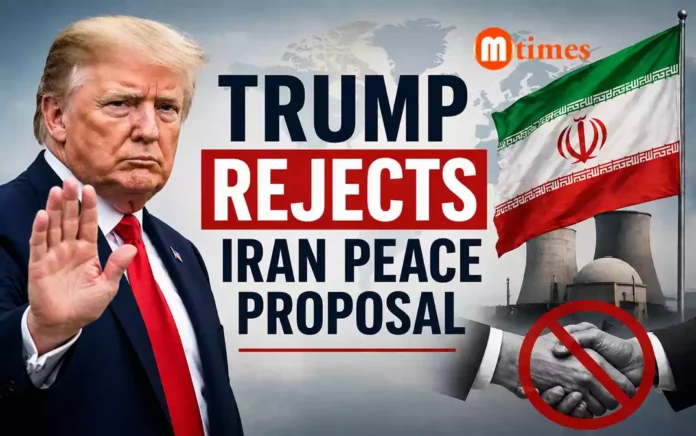

- Trump is reportedly dissatisfied with Iran’s current peace proposal
- Main sticking point is Iran’s push to delay nuclear negotiations
- Strait of Hormuz access remains central to global energy and diplomacy
Dubai: The Trump Iran peace proposal resistance has intensified as US officials indicate President Donald Trump is unhappy with Iran’s latest offer to end the conflict. According to Reuters, Iran’s proposal focused first on ending hostilities and resolving Strait of Hormuz shipping restrictions, while postponing direct nuclear negotiations, a sequencing the Trump administration is resisting.
This is a critical diplomatic divide. For Washington, Iran’s nuclear program is the core issue. For Tehran, immediate economic and shipping relief appears to be the priority.
Trump Iran Peace Proposal Resistance: Why Talks Are Stalling
The main problem is not simply whether peace is possible, but what gets negotiated first.
Iran’s reported “Hormuz-first” framework seeks relief from blockade pressures and Gulf shipping disruption before addressing uranium enrichment and nuclear rollback. Trump’s team, however, wants nuclear commitments at the front of any agreement.
This sequencing dispute matters because it reflects fundamentally different strategic priorities:
- Iran wants immediate survival and economic breathing room
- The US wants structural security guarantees first
Without alignment on this order, ceasefire efforts remain fragile.
Hardliner Divisions Inside Iran Are Complicating Progress
US and allied assessments suggest internal Iranian factions are also slowing diplomacy.
Competing political blocs inside Tehran reportedly disagree over how much compromise is acceptable, especially on nuclear concessions. This weakens Iran’s ability to present a unified negotiating position and increases uncertainty for US decision-makers.
In practical terms, even if moderates want tactical compromise, hardliners can raise the domestic political cost of concessions.
Why the Strait of Hormuz Remains the Real Global Pressure Point
The Strait of Hormuz is not just a regional shipping lane, it is a global economic choke point.
Continued disruption has already pushed oil prices sharply higher, with Brent crude reportedly climbing above $111 as markets price in prolonged instability. Roughly one-fifth of global energy transit is tied to this corridor under normal conditions.
That means the conflict’s second-order effects are worldwide:
- Higher fuel costs
- Inflation pressure
- Supply chain instability
- Strategic anxiety for energy-importing nations
- Iran’s Claim That the US Has Not Met Its Goals
Iranian officials have publicly argued that Washington has failed to achieve core objectives so far, particularly around forcing strategic surrender.
This narrative is politically important because it allows Tehran to project resilience domestically while using prolonged negotiations as leverage.
For Trump, accepting a deal perceived as weak on nuclear terms could also create domestic political vulnerabilities.
What Happens Next
For now, diplomacy appears trapped between urgency and mistrust.
Trump’s rejection signals that the White House is unlikely to accept a temporary Hormuz arrangement without meaningful nuclear movement. Iran, meanwhile, appears unwilling to front-load those concessions under pressure.
Unless one side changes sequencing strategy, the conflict may remain stuck in a costly stalemate, where neither full peace nor decisive victory is easily achievable.
Also Read | LPG Booking Rules May 2026: What Could Change for Cylinder Prices, Booking Gap, OTP Delivery, and PNG Users
You May Like
Trending Searches Today |







Amazon Online Shopping