
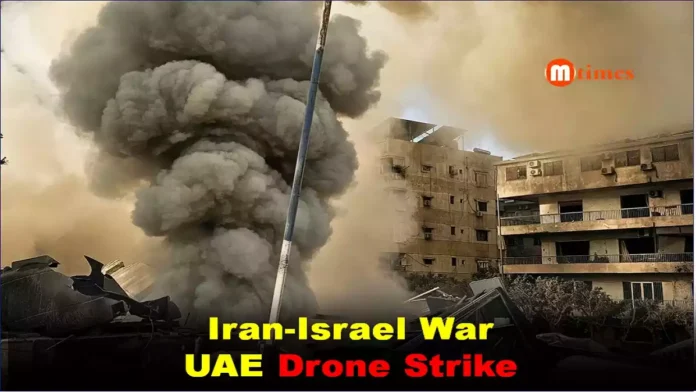

- A drone strike caused a fire at the Barakah Nuclear Energy Plant in the UAE.
- Israel intensified attacks in southern Lebanon despite ceasefire discussions.
- Donald Trump warned Iran of consequences if no peace deal is reached.
Dubai: Tensions across West Asia intensified sharply on Friday after a drone strike triggered a fire at the Barakah Nuclear Energy Plant in the UAE’s al-Dhafra region, while Israel expanded military operations in southern Lebanon despite ongoing ceasefire negotiations.
The developments have increased fears that the Iran-Israel conflict could spill deeper into the Gulf region and disrupt global energy and trade routes.
Iran Israel War Live Updates Intensify Regional Pressure
According to reports, the drone strike targeted infrastructure linked to the Barakah Nuclear Energy Plant, one of the Gulf’s most strategically significant energy facilities.
Although authorities have not yet confirmed the full extent of the damage, the attack raises serious concerns over the vulnerability of critical infrastructure in the region.
Meanwhile, Israel claimed it had attacked nearly 100 sites in southern Lebanon over the last two days, even after negotiators agreed to extend a fragile ceasefire arrangement by another 45 days.
The second-order effect of attacks on energy infrastructure could be severe for global markets, particularly oil prices, shipping costs and investor confidence.
Iran Signals New Strait of Hormuz Strategy
Iran announced that it would soon unveil a new plan to regulate maritime traffic through the Strait of Hormuz, including possible toll collection mechanisms.
The Strait of Hormuz remains one of the world’s most critical oil shipping corridors, with a significant share of global crude exports passing through the route daily.
Any disruption or increased control over maritime movement there could sharply affect international fuel prices and global supply chains.
Trump Issues Fresh Warning to Iran
Donald Trump warned that Iran would face a “very bad time” if a peace agreement is not reached soon.
At the same time, Iranian Parliament Speaker Mohammad Bagher Ghalibaf declared that the world was standing “at the cusp of a new order,” signaling Iran’s increasingly confrontational geopolitical posture.
The rhetoric from both sides indicates that diplomatic space may be narrowing even as international mediators continue attempting to prevent broader escalation.
Gaza Casualties Continue Amid Regional Instability
The Palestinian Health Ministry reported six deaths and 19 injuries over the past two days in Gaza, including bodies recovered from rubble following earlier strikes.
The humanitarian impact continues to grow alongside military escalation across multiple fronts in the region.
Analysts warn that simultaneous instability involving Gaza, Lebanon, Iran and Gulf infrastructure is creating one of the most dangerous periods in West Asia in recent years, with potential consequences for global security, energy markets and international diplomacy.
Also Read | Rahul Gandhi Targets PM Modi Over Adani Case
You May Like
Trending Searches Today |
- Air India and Air India Express Suspends Jeddah, Riyadh and Dammam Flights
- FSSAI Proposes Ban on Added Sucrose and Fructose in Infant Foods
- Ramayana Film: Cast, Music, Visuals and Release Details
- Tesla Roadster Unveiled With Thrusters and Flying Features
- Odisha Student Elections: ABVP Secures Major Campus Wins
Amazon Online Shopping