

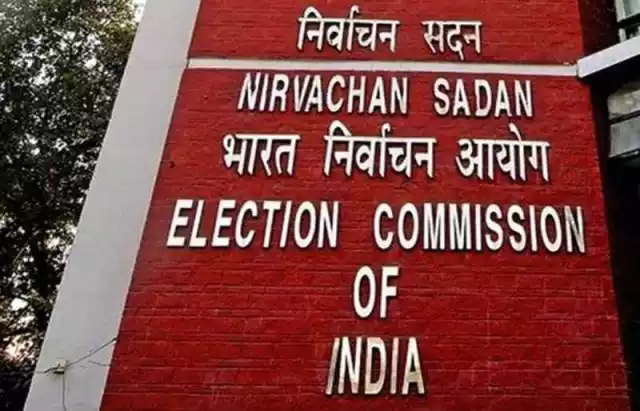

Surat, Rajkot and Jamnagar recorded lower than the national average of 63.3% voter turnout in the first phase of the Gujarat assembly elections 2022. While voter turnout has increased in many constituencies, the average voter turnout is dampened by the urban apathy of these important constituencies, as during the recently concluded general elections to the Himachal Pradesh Legislative Assembly, the Shimla urban constituency recorded the lowest 62.53% (less 13 percentage) compared to the national average of 75.6%. Cities in Gujarat showed a similar trend of urban apathy during voting on 1st December 2022 for the assembly elections, reducing the percentage of votes in the first phase.
The Chief Election Commissioner – CEC Sh Rajiv Kumar notes with concern the turnout figures, on behalf of ECI appeals to the voters of Gujrat to come in large numbers during the second phase to compensate for the low vote count in the 1st phase. The possibility of surpassing the 2017 vote percentage now lies only in their increased participation.
Advertisement

Gandhidham assembly constituency in Kuchchh district, which has industrial undertakings, recorded the lowest voting percentage of 47.86%, a sharp decline of 6.34% from the last election in 2017 and a new low. The second lowest vote was in Surat’s Karanja constituency, also 5.37% lower than its own low of 55.91% in 2017.
The major cities or urban areas of Gujrat not only saw a drop in vote percentage compared to the 2017 elections but also much less than the state average of 63.3%. The decline in Rajkot west is very steep at 10.56%.
The percentage of votes in the first phase of the 2017 election was 66.79%. If the vote percentage in these assembly constituencies were even equal to their own vote percentage in the 2017 election, the state average would be more than 65%.
There is a noticeable difference in voter turnout between rural and urban constituencies. The difference in voter turnout is as high as 34.85% compared to Dediapada rural constituency in Narmada district which recorded 82.71% and AC Gandhidham urban constituency in Kuchchh district which recorded 47.86% voter turnout. Also, the average voter turnout in important urban areas is lower than the turnout in rural constituencies.
Within many districts, rural constituencies in those districts voted much more than urban constituencies in the same district. For example, in Rajkot, there has been a decline in all urban ACs.
Read Also
- Ravana Podi in Bhubaneswar at Nine Locations Today

- CJP Leaders Withdraw Delhi High Court Plea Over Custody

- Jailer 2 Box Office Collection: Rajinikanth’s Film Earns ₹242 Crore in Five Days

- Stock Market Holiday Today: NSE, BSE Closed on October 20 for Dussehra

- JNU Hunger Strike: Administration Holds Talks With Students







Read Continues | Urban apathy continues unabated from Shimla to Surat
[amazon_auto_links id=”635″]